Context-aware usage tips that learn from failed feature attempts
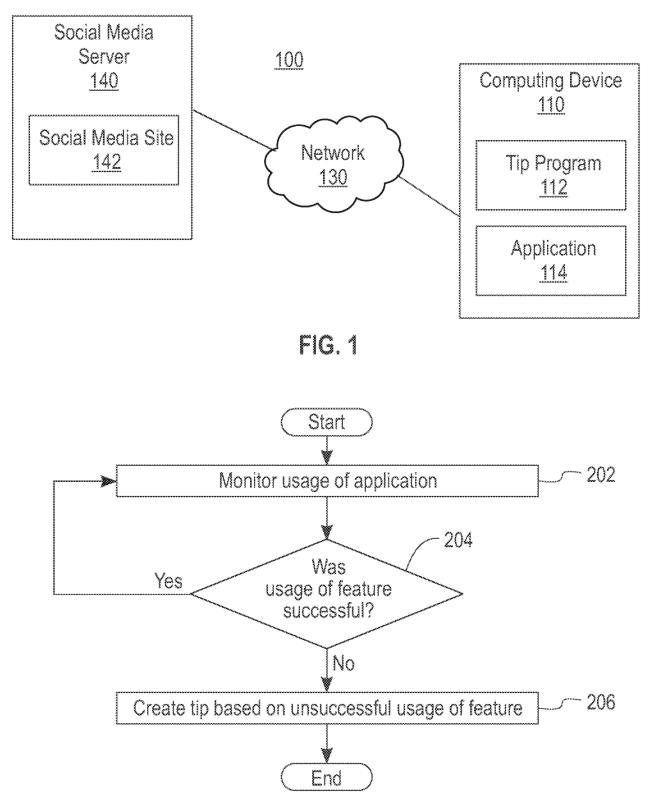
The patent describes monitoring a user’s interactions with an application on one device, detecting unsuccessful attempts to use a feature, and automatically creating usage tips for that feature when the user later switches to a different type of device. The system also consults user tags (for example profession) to tailor additional tips for other features and the new device type. Typical users are application end‑users who switch between phone, tablet and desktop.
(57) What the patent covered
The core independent claim covers monitoring application usage on a first device, determining a specific feature use was unsuccessful, accessing a tag repository to infer the user’s profession, detecting the user has started using a different type of device and is attempting the same feature there, then creating a usage tip for that feature tailored to the second device type and creating an additional, tag‑based tip for another feature.
The distinctive part: Combining failure detection on one device with device‑type detection plus user tags (e.g. profession) to auto‑generate tips when the user switches devices.
Novelty 3/5. Failure detection and context‑sensitive help existed, but linking past failures on one device to automated, tag‑aware tips on a different device was a modest but nontrivial extension.
Building it
A small team would add a lightweight telemetry SDK to the app to record feature invocation events and success/failure outcomes, send those events to a backend that stores per‑user event history and tags, detect when the same user resumes on a different device type (via login or token and user agent), and run simple rules or a scoring model that emits device‑specific and tag‑filtered tip text which the client displays in‑app. Use standard databases, REST APIs, and in‑app banners or modal help cards for delivery.
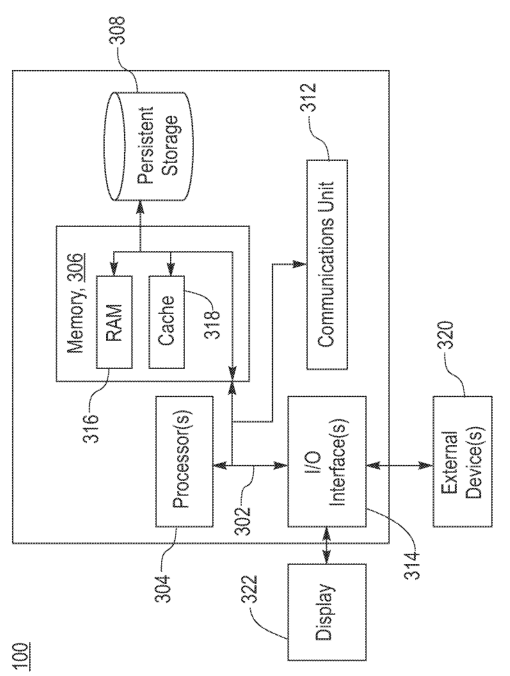
Components: client telemetry/interaction logger (SDK), central tip generation service (server), tag repository / user profile store, device type detector (user agent or OS API), tip delivery UI (in‑app notification or help pane)
Buildability 5/5. Technically straightforward; the main work is instrumentation to capture reliable success/failure signals and mapping UI/interaction differences across device types.
Is anyone buying?
Comparable products exist; none doing exactly this was found. Multiple vendors offer in-app contextual guidance with AI-enabled triggering and cross-device applicability. Market shows active deployments in enterprise software, SaaS, and digital adoption platforms; pricing typically requires contact for quotes.
- Whatfix · Whatfix (Digital Adoption Platform)contact sales
- Userlane – Contextual Assistance · Userlanecontact sales
- MeltingSpot – Learning Agent · MeltingSpotcontact sales
This demand check was run with a web search in the week of Oct 5, 2026. Listings change often, so treat it as a starting point for your own research.
Who buys it: app product teams and SaaS UX owners
Before you make it
We didn't find any related continuation or divisional patents still in force, although that doesn't rule out design patents, trademarks or unrelated patents covering the same product.
Practical risks are noisy success/failure signals (false positives), privacy and consent for telemetry and profile tags, and crowded UX tooling market rather than technical difficulty.
Owners occasionally revive lapsed patents (about 1.5% are), and this page is a research lead rather than legal advice, so get a freedom-to-operate opinion before you manufacture anything.