Food products containing two heat‑stable Lactobacillus strains
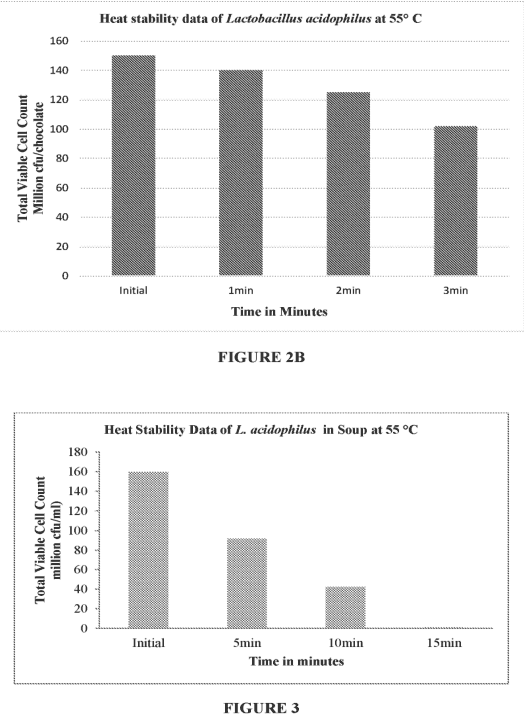
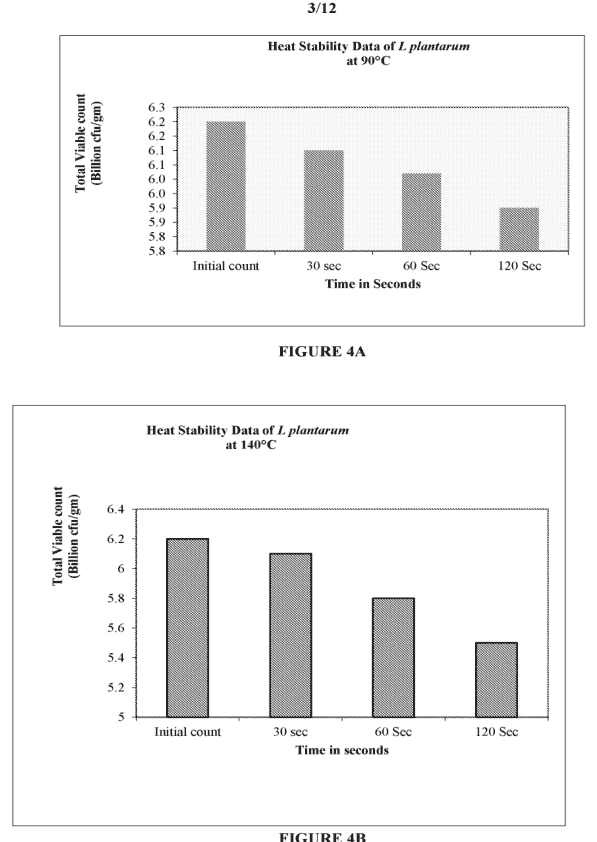
The patent covers food products (and their preparation) that include one of two specified thermostable Lactobacillus strains: a Lactobacillus plantarum (ATCC SD No. 6863, SEQ ID No.1) or a Lactobacillus acidophilus (ATCC SD No. 6864, SEQ ID No.2). The idea is that these strains survive higher temperatures and longer heat exposure during food processing or storage so the finished foods retain viable probiotic cells. Typical users would be food and beverage makers adding probiotics to yogurt, baked or pasteurized products, or ready‑to‑drink formulations that see thermal treatment.
(57) What the patent covered
The main independent claim covered a food product that includes one of two specific thermostable Lactobacillus strains identified by ATCC SD numbers and associated genomic sequences (L. plantarum ATCC SD 6863 with SEQ ID 1; L. acidophilus ATCC SD 6864 with SEQ ID 2). A second independent claim covered the method of preparing a food product by combining one of those same strains with a food component during or after preparation.
The distinctive part: The patent explicitly claims specific Lactobacillus isolates, identified by deposit numbers and full sequence identifiers, that are described as thermostable so they can survive higher-temperature food processing.
Novelty 3/5. Selecting and depositing particular probiotic isolates with claimed heat tolerance was a useful improvement over generic probiotic additions, but probiotics in foods and efforts to improve thermal survival were already common.
Making it
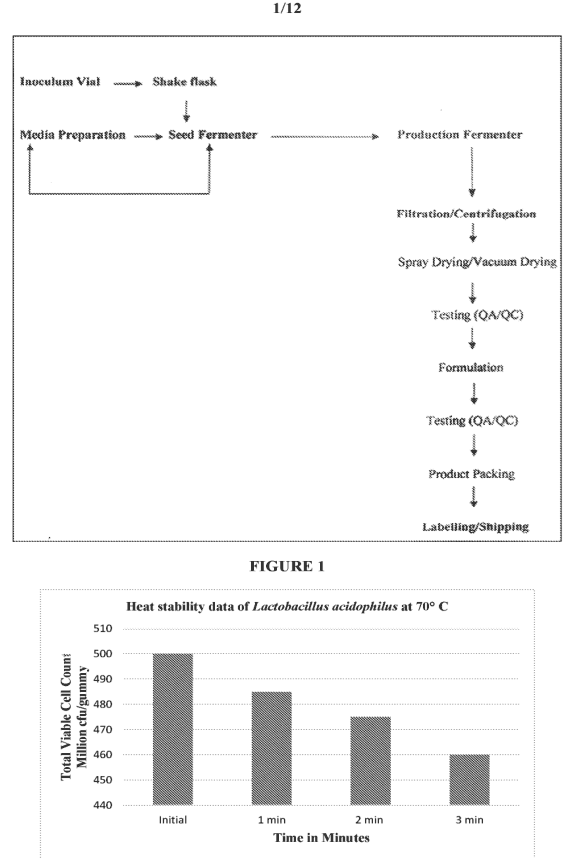
Likely production uses standard microbial cultivation and concentration, followed by formulation to a dry or liquid adjunct (spray‑drying or lyophilization) and mixing into the food during or after thermal processing; protective excipients such as sugars or proteins would be blended to enhance survival.
Materials: freeze‑dried bacterial culture (lyophilizate), protective carriers such as maltodextrin or starch, dairy matrices (milk, yogurt base), fruit or cereal matrices (juice, baked dough)
Manufacturability 4/5. Making the strains requires routine fermentation and downstream drying/encapsulation; integrating them into foods demands simple blending or dosing steps and modest pilot tooling rather than specialized electronics or precision parts.
Is anyone buying?
We haven't run a demand check on this one yet. Shoppers would likely search for thermostable probiotic L plantarum, heat stable Lactobacillus acidophilus, probiotic for baked goods; the links on the right open those searches.
Who buys it: food and beverage manufacturers adding probiotics to heat‑processed products
Before you make it
We didn't find any related continuation or divisional patents still in force, although that doesn't rule out design patents, trademarks or unrelated patents covering the same product.
Practical risks include regulatory and labeling requirements for probiotic strains, demonstrating viable counts after processing, and competition from many probiotic suppliers; the patent claims specific deposited strains rather than broad methods.
Owners occasionally revive lapsed patents (about 1.5% are), and this page is a research lead rather than legal advice, so get a freedom-to-operate opinion before you manufacture anything.