Hand‑held telemedicine unit that takes photos and docks interchangeable exam tools
A portable diagnosis control unit (DCU) that holds a camera module and accepts a detachable front‑end attachment which can carry either the camera or a variety of medical diagnostic devices (stethoscope, dermatoscope, etc.). The DCU has trigger buttons, a microcontroller that detects which attachment/device is mounted, and a connector at the rear to link a local app (medical diagnostic examination system) on a user device for remote viewing and control. Intended users are clinicians or caregivers performing remote exams or first responders in the field.
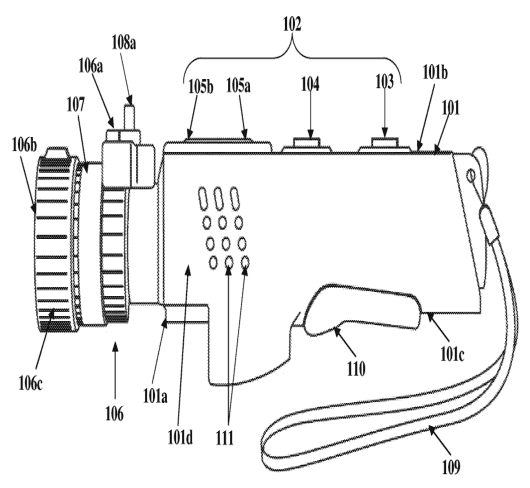
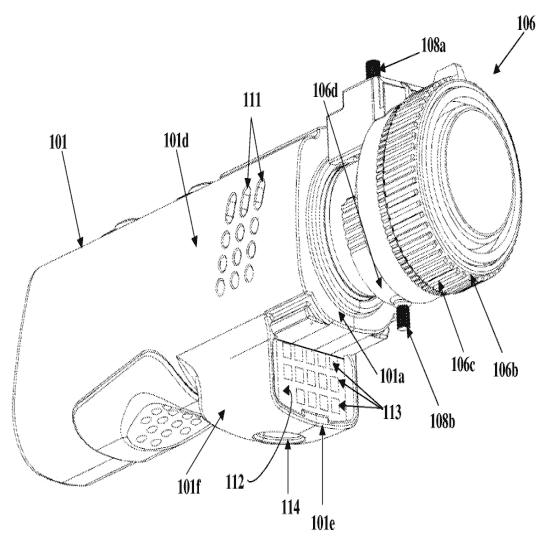
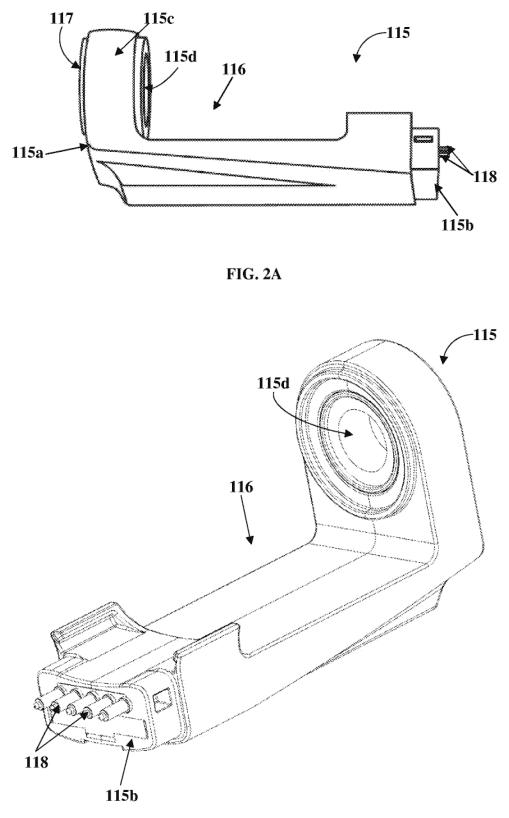
(57) What the patent covered
The main independent claim covered a method using a hand‑held DCU that: communicates with local examination software via a rear connector, accepts a front attachment unit that holds a camera or interchangeable medical diagnostic devices in a receptacle, has a microcontroller that detects the mounted image capture device and the type of medical diagnostic device, and responds to trigger elements to operate the camera module and/or the attached medical device while transmitting captured diagnostic image/data to the local application for remote diagnostics.
The distinctive part: The system ties detection of interchangeable front attachments to trigger controls and direct connectivity to a local app through a rear connector for coordinated image capture and data transmission to remote exam workflows.
Novelty 3/5. Combines familiar parts, hand‑held camera modules, detachable probes (stethoscopes/dermatoscopes), and local telemedicine apps, but the claimed link among automatic attachment detection, trigger mapping, and a specific DCU connector was a clever integration rather than a wholly new category of product.
Making it
Injection‑molded plastic body, pressed or machined metal inserts for the attachment slot, off‑the‑shelf CMOS camera/cartridge assembly, PCB with microcontroller and connectors, final assembly and testing with hand insertion of camera and attachment parts.
Materials: ABS or PC injection‑molded plastics for the DCU housing, aluminum or stamped steel for structural mounts/clips, CMOS camera module (glass/plastic lens, image sensor), silicone or TPU for user grips/seals
Manufacturability 4/5. Several common subassemblies (molded housing, electronics PCB, camera module, interchangeable attachments) and manual assembly to fit the camera into the receptacle and test electronics; no exotic manufacturing but requires moderate assembly and calibration.
Is anyone buying?
We haven't run a demand check on this one yet. Shoppers would likely search for telemedicine handheld camera attachment, portable diagnostic camera with stethoscope dock, dermatoscope camera unit for remote exams; the links on the right open those searches.
Who buys it: clinics, telemedicine providers, emergency responders
Before you make it
We didn't find any related continuation or divisional patents still in force, although that doesn't rule out design patents, trademarks or unrelated patents covering the same product.
Practical issues include regulatory compliance (medical device classification and data privacy), image/video bandwidth limits, and a crowded market of modular telemedicine peripherals rather than any single dominant patented mechanism.
Owners occasionally revive lapsed patents (about 1.5% are), and this page is a research lead rather than legal advice, so get a freedom-to-operate opinion before you manufacture anything.