Party cracker with a transparent viewing window
A paperboard party cracker (Christmas cracker) whose tubular central body includes a framed transparent windowpane so people can see the contents before pulling it open. The cracker has two opposing pull tabs joined by frangible necks so that a wearer or two people can pull and open the cracker while the window and frame resist tearing. Typical users are retailers, party-suppliers and consumers buying novelty crackers for events.
(57) What the patent covered
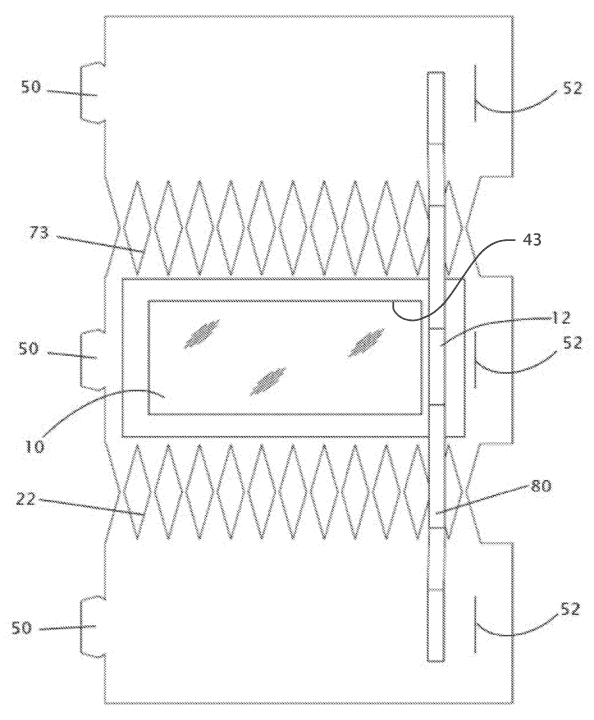
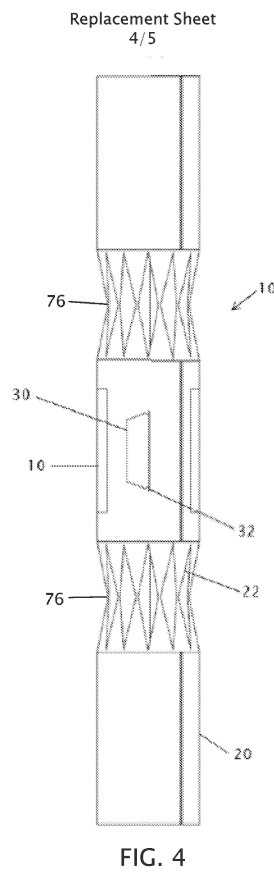
The independent claim covers a tubular opaque central body with an internal chamber and an opening in the wall defined by a window frame holding a transparent windowpane, plus two pull-formations frangibly connected to opposite ends of the central body at necks with diameters smaller than the chamber; the windowpane and/or window frame must have greater tear resistance than at least one of the frangible lines of weakness and the whole cracker is formed from a single blank.
The distinctive part: Putting a transparent, framed window into the cracker wall and specifying that the window/frame are stronger than the necks so the pulls separate before the window or frame fail.
Novelty 3/5. Crackers with pull-ends and frangible necks were already common; the new detail is the reinforced window/frame arrangement that preserves the view while forcing separation at the necks.
Making it
Die-cut and score a single blank from paperboard, die-cut the window opening, apply/laminate a clear plastic film over the opening, fold and glue the blank into a tubular body, attach decorative wrap and insert traditional snap/contents; simple hand or semi-automatic assembly.
Materials: paperboard or card stock (single blank), thin clear plastic film (PET or PVC) for the windowpane, adhesive (water- or hot-melt), optional foil or printed decorative paper
Manufacturability 4/5. Typical cracker tooling: die-cutting and scoring for one blank, die-cut clear film, folding/gluing stations; low part count and standard convertor equipment, with some hand or semi-automated assembly for contents and snaps.
Is anyone buying?
This design, or something very close to it, is on sale now. Typical retail price: $1. US-based wholesale packaging supplier listing Christmas crackers with window/creased window design; 100-unit minimum; in stock; instant quote available.
- Christmas Crackers (Windowed) - Boxo Packaging · Boxo Packaging$1.00
This demand check was run with a web search in the week of Sep 14, 2026. Listings change often, so treat it as a starting point for your own research.
Who buys it: party suppliers, gift retailers, consumers buying novelty crackers
Before you make it
We didn't find any related continuation or divisional patents still in force, although that doesn't rule out design patents, trademarks or unrelated patents covering the same product.
Practical issues include choosing a clear film and adhesive that survive handling and the snapper, ensuring the window/frame tear resistance is higher than the necks, and meeting any packaging or toy safety requirements; market is crowded with cheap paperboard crackers.
Owners occasionally revive lapsed patents (about 1.5% are), and this page is a research lead rather than legal advice, so get a freedom-to-operate opinion before you manufacture anything.